9+ curated guides • Updated January 2026
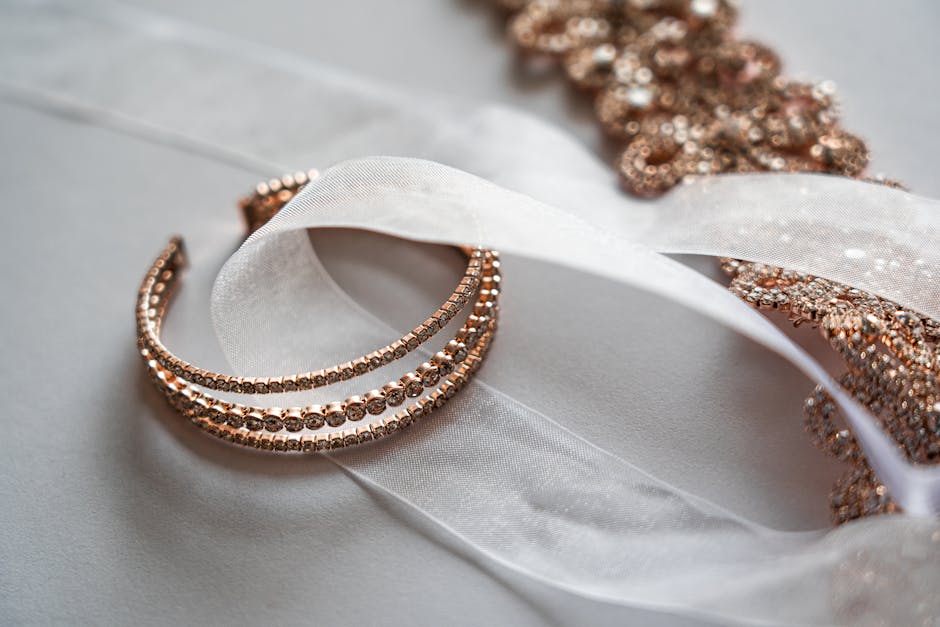
That delicate gold necklace in the velvet box carries a price tag that feels impossibly indulgent. But what if the real luxury isn't the item itself, but the lifetime of wear it offers? We've been trained to see fine jewelry as an expense, when we should be seeing it as the ultimate solution to the endless, costly cycle of fast fashion. This isn't about extravagance; it's about strategic acquisition. By shifting our focus from the initial price to the long-term cost-per-wear, we can dismantle the false economy of disposable trends and build a wardrobe portfolio that genuinely serves us—financially, stylistically, and sustainably.
You see two gold necklaces: one for $300, one for $1,500. The cheaper one is the obvious choice, right? Wrong. We're going to introduce you to the single most important metric for smart shoppers—cost-per-wear—and reveal why that 'expensive' necklace might actually be the biggest bargain in the long run. This isn't about reckless spending; it's about strategic investing in your personal style. The initial sticker shock of a well-crafted piece of jewelry often masks its true, long-term affordability. We will deconstruct the factors that separate a fleeting trinket from a lifelong style companion, empowering you to analyze gold necklace designs not by their price, but by their enduring value and potential.
That viral celebrity look-alike app seems like harmless fun, a quick way to find your famous doppelgänger. But what happens after you hit 'upload'? We investigated the privacy policies and data practices of these popular apps, and what we found is more unsettling than a bad celebrity match. As an investigator, I've seen how seemingly innocent entry points become massive data breaches. These apps are no different. They operate on a simple, lopsided transaction: you provide a piece of your permanent, unchangeable identity, and in return, you get a fleeting moment of entertainment. This article peels back the curtain on that transaction, revealing the true cost of finding your celebrity twin and arming you with the knowledge to protect your most personal data.
It's the sight every host dreads: you pull your famous buffalo chicken dip from the oven, only to find it has broken into a separated, greasy mess. That slick pool of orange oil isn't a sign of flavor; it's a sign of a failed emulsion. We're here to tell you that the secret to a perfectly creamy, unbreakable dip isn't a magic ingredient, but a simple chemistry trick that will change your game day forever. In the test kitchen, we don't believe in happy accidents; we believe in repeatable results grounded in science. This isn't just another recipe—it's the permanent solution to the single most common failure in one of America's favorite appetizers. By understanding the 'Emulsion Equation,' you'll move from hopeful cook to confident kitchen technician, producing a flawless dip every single time.
That intricate jhumka you adore or the grand temple necklace you save for special occasions holds more than just precious stones. It carries the echo of ancient architecture—the blueprint of a palace arch, the filigree of a royal window, the curve of a majestic dome. Join us as we decode the hidden architectural language in your favourite ethnic pieces, revealing a story of design that spans centuries from grand buildings to intricate beadwork. This is not merely ornamentation; it is the practice of carrying a piece of a monument with you, a wearable testament to a civilization's grandest artistic achievements. We will move beyond the surface-level beauty and venture into the very structure of these pieces, revealing how a goldsmith's bench becomes a miniature architect's studio.
You follow the recipe perfectly, using the fancy brioche and fresh eggs, yet you're still left with a plate of sweet, soggy bread. The problem isn't your ingredients; it's the chemistry. This isn't just another recipe—it's a scientifically-proven method to achieve a perfectly caramelized crust and a creamy custard center, every single time. We're going to ignore culinary folklore and look at the two critical scientific principles that govern the success or failure of your breakfast: custard osmosis and the Maillard reaction. By controlling these two variables, we can move from hopeful guesswork to repeatable, delicious results. This is the blueprint for transforming a simple dish into a masterful one by understanding the 'why' behind the 'how'.
You’ve perfected your pitch and polished your resume, but have you considered what your accessories are communicating in the boardroom? We're often taught that loud 'statement pieces' make an impact, but the most influential leaders know that true power is conveyed through quiet confidence and impeccable detail. This is the strategic advantage of Saba's accessories—they aren't just additions to an outfit; they are the final, decisive word. This article deconstructs this phenomenon. We will move beyond the surface-level discussion of 'fashion' and analyze Saba's collection as a masterclass in psychological influence. We will explore how their minimalist ethos leverages cognitive biases to build your professional authority, piece by piece, without you ever having to say a word. This is not about accessorizing; this is about armament.
You see it on your feed: the perfect street style bag that instantly elevates a simple outfit. But in a world of micro-trends and fast fashion, how do you know if you're buying a future classic or a disposable fad? This isn't just another trend report; it's your guide to investing in style that lasts, helping you spot the difference between fleeting hype and lasting value. For years, I've sat front row at runway shows and spent just as many hours tracking the volatile tides of the luxury resale market. I've seen 'It-bags' evaporate into obscurity and quiet achievers become auction-house legends. This index is the distillation of that experience, designed to arm you with the critical eye of an editor, not the impulsive heart of a consumer.
That potato chip you're eating doesn't taste crisp—it sounds crisp. The truth is, your brain is the master chef, assembling the sensation of 'flavor' from every sense you have. We'll uncover the fascinating science of how the color of your plate can make food taste sweeter and why a heavier fork can make yogurt seem more satisfying. Forget everything you thought you knew about your taste buds. They are merely data collectors, dutifully reporting on sweet, sour, salty, bitter, and umami. The real artist, the entity that paints the rich, multi-layered portrait you call 'flavor,' resides between your ears. We're not here to discuss Michelin stars or secret ingredients. We're here to pull back the curtain on your own mind and reveal the astonishing sensory tricks it plays on you every time you sit down to eat.